Introduction
In the B2B market, customized products are becoming the mainstream trend of enterprise procurement. Whether IT’s office supplies, smart hardware, manufacturing equipment, gifts, packaging materials, or IT software, more and more companies are turning to bespoke rather than standardised products.
This trend is not accidental, but is driven by b-side customers in demand matching, brand image, differentiation competition, cost control, use experience, strategic value and other aspects of consideration. This paper will systematically explain why b-side customers prefer customized products from the perspectives of theoretical analysis, industry practice and enterprise cases, and put forward the core strategies that enterprises should pay attention to in the procurement and design of customized products.
First, customized products to meet the specific needs of enterprises to achieve precise“Pain point solution”
1.1 standardized products fail to meet complex business scenarios
The procurement needs of B-side customers are often more complex than those of c-side customers:
Functional requirements are diverse: production line equipment needs to be compatible with existing processes; office software needs to interface with internal processes; gifts need to meet the preferences of different customer groups.
Space or size limitations: office supplies or production equipment need to be adapted to limited space or existing facilities.
Brand or culture requirements: office supplies, gifts, and packaging should reflect the company’s culture and image.
Standard products usually have the following limitations:
The specification, size, and functionality are fixed and do not fully match the actual needs
Modules or interfaces can not be expanded, increasing the cost of post-transformation
Brand and visual elements can not be customized, it is difficult to unify the corporate image
Therefore, customized products have become the preferred solution to solve the pain point of enterprises.
1.2 precise matching of functions and specifications to improve enterprise efficiency
Customised products can:
Functional customization: add specific modules or features, such as custom sensor interfaces for industrial equipment, custom data reporting capabilities for office software.
Size customization: equipment or office supplies customized according to the actual working scene, to avoid space waste or inconvenient operation.
Material Selection: to meet the durability, environmental protection or aesthetic requirements, such as the use of high wear-resistant materials, environmentally friendly packaging materials.
Precision customization not only improves the efficiency of product use, but also reduces the additional cost caused by mismatch.
Second, strengthen the corporate brand image, enhance the sense of professionalism and trust
2.1 customized products are an important carrier of corporate visual identity
In the B-terminal market, the product is not only a functional tool, but also a medium for corporate brand communication:
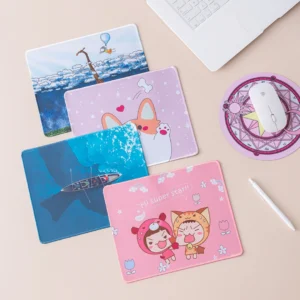
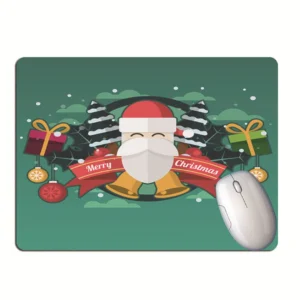
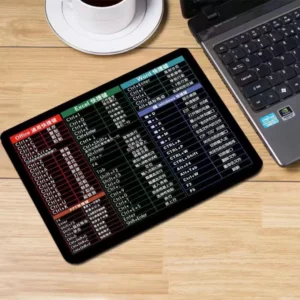
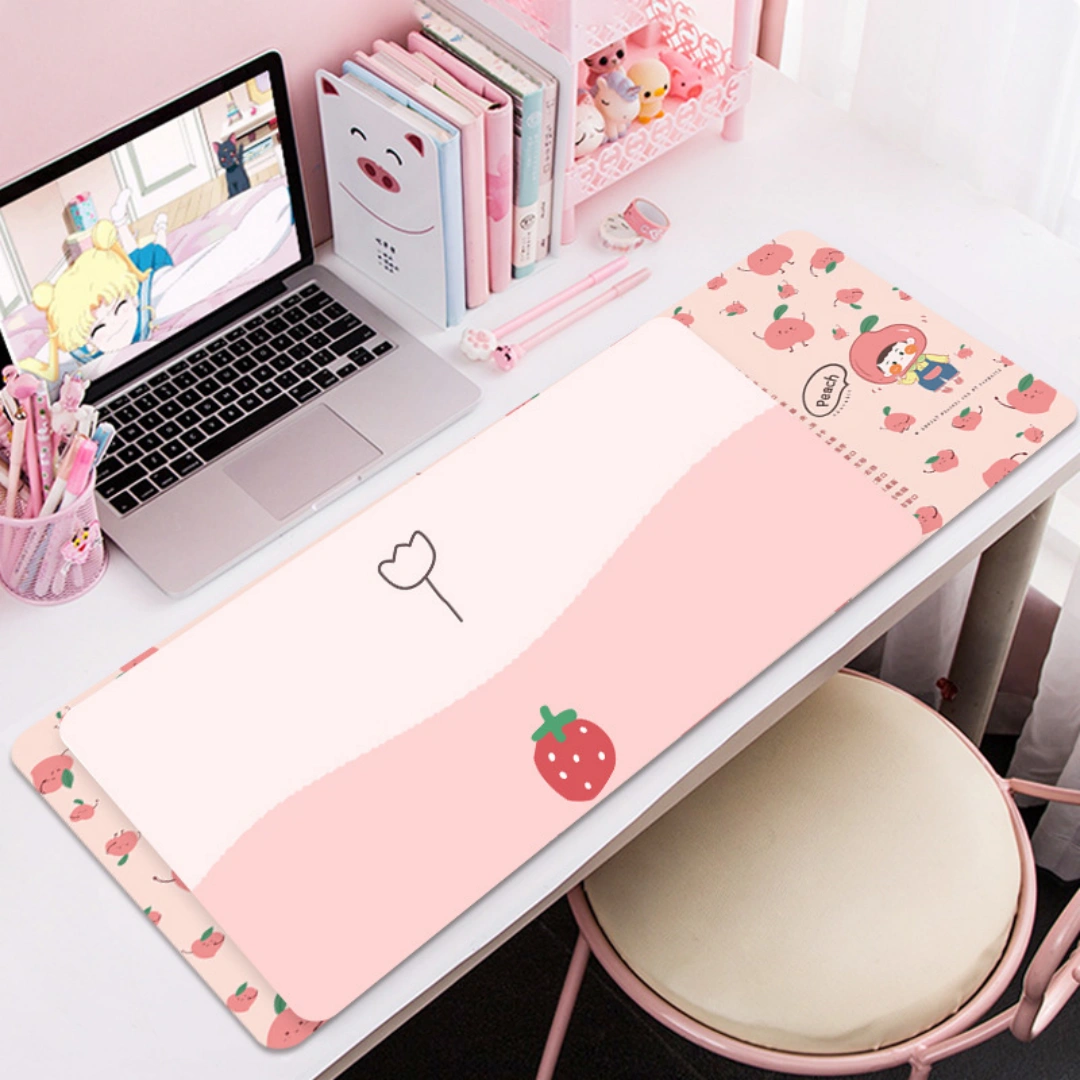
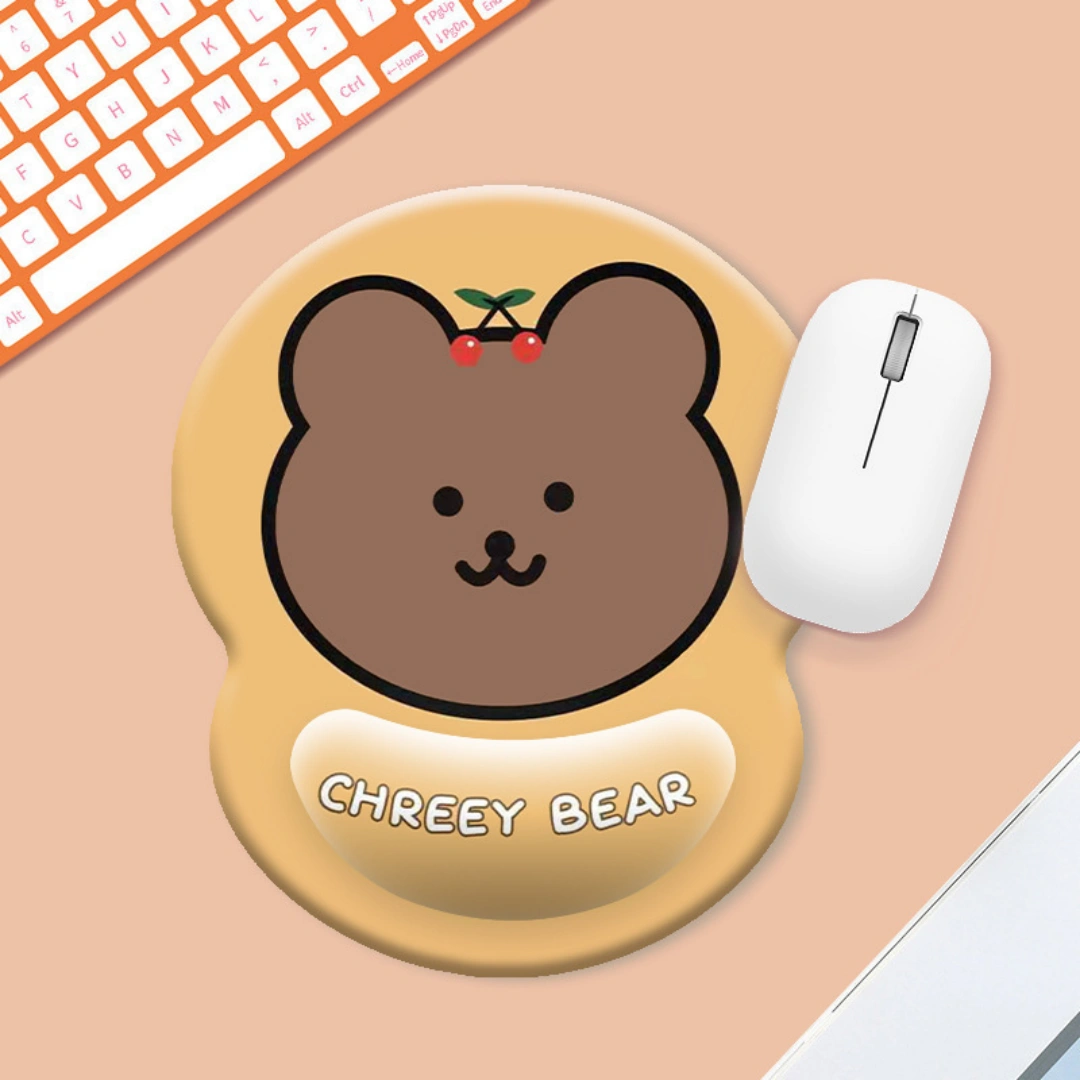
Office supplies: Custom Logo Mouse Pad, notebook, desk accessories, forming a unified image of the enterprise
Production equipment: equipment appearance and control panel with corporate logo, enhance the sense of professionalism
Packaging and peripheral products: Custom Packaging, gifts show corporate brand and culture
Through customized products, enterprises can integrate brand elements into actual use scenarios to form continuous, recessive and long-term brand exposure.
2.2 enhance the recognition of customers and partners
Customizing products creates a psychological bond:
Customer: customized gifts reflect the intentions of enterprises, enhance the sense of trust
Partners: Custom office equipment or accessories show professionalism and long-term intent
Employees: customizing office equipment increases a sense of belonging and enhances internal cultural identity
This sense of identity is not only conducive to the maintenance of external relations, but also enhances internal cohesion.
Third, the differentiation of competitive advantage, to avoid the plight of homogeneity
3.1 standardized products are easy to be homogenized and lack of recognition
In the B-end market, the price competition of standardized products is fierce, but it is difficult to form a differentiated advantage due to the lack of uniqueness. Customized products can provide:
Uniqueness: unique functionality, look or packaging designed to meet the needs of the business
Customer experience differentiation: customized products are more in line with usage habits, increasing user satisfaction
Brand memory: Customers or partners can remember the company more easily through the unique design
3.2 customized products become an extension of the company’s competitiveness
Production equipment: customized equipment can improve production efficiency and reduce the error rate
Office supplies and gifts: Custom design improves the customer experience and professional image of the company
Packaging materials: differentiated packaging enhances market recognition and increases added value of products
Through customization, enterprises in the fierce competition to obtain the advantage that is difficult to copy.
Iv. Optimizing purchasing cost and inventory management
4.1 reducing waste through accurate customization
While a customised product may cost more than a standard one, b-side companies are more concerned with total cost and efficiency in terms of overall costs:
Custom size and function, reduce secondary processing and transformation costs
Accurate purchasing quantity to reduce inventory backlog
Avoid additional logistics or after-sales costs due to standard product mismatches
4.2 fine-tuning supply chain management
Customized products can be ordered on demand to avoid overstocking
Establish long-term relationship with suppliers to achieve controllable supply
Improve the responsiveness and flexibility of the supply chain
Customization is not only a tool to improve functionality and experience, but also a means of supply chain optimization.
Enhance the user experience and operational efficiency
5.1 compliance with business practices
B-end products use complex scenarios, customized products can meet:
Office environment: ergonomic, reasonable layout
Production equipment: in line with the process, improve operational efficiency
It system: the interface and functions conform to the internal management process of the enterprise
5.2 long-term value and stability
Customised products tend to be of higher quality, better fit, and have a longer life span:
Lower attrition rates
Reduce the frequency of updates
Increase the life-cycle value of equipment, office supplies, and gifts
In the long run, customized products not only save costs, but also improve the overall operational efficiency of the enterprise.
The strategic significance and long-term value of customized products
6.1 strategic sourcing thinking
Choosing customised products often reflects a company’s strategic thinking:
Consider long-term cost-effectiveness
Taking into account the image of the company
Enhance employee experience and customer satisfaction
The purchase of customized products is not a short-term behavior, but a long-term investment.
6.2 brand precipitation and capitalization value
The long-term use of customized products can produce brand precipitation effect:
Office supplies: long-term use of internal employees can form corporate culture cognition
Production equipment: long-term use to enhance the stability of production
Customer gifts or packaging: increase market recognition, strengthen customer memory
Customized products have become the brand communication tool of enterprise capitalization, and the value continues to accumulate.
Customization preference and case analysis of b-side customers in different industries
| Types of industries | Core customization preferences | Main purpose |
| It and the technology business | Custom desk accessories, mouse pads, monitor stands, smart devices | Enhance the staff office experience, highlight the sense of technology and corporate culture |
| Finance and insurance | Custom office supplies, business gifts, customer thank-yous | Show the professional image, enhance customer trust |
| Education and training institutions | Custom Materials, learning tools, gifts, promotional materials | Enhance the teaching experience, strengthen the brand influence |
| Manufacturing and production enterprises | Custom equipment, spare parts, tools, security supplies | Improve production efficiency, reduce compatibility and safety risks |
| Health and public institutions | Custom medical devices, office equipment, and promotional materials | Ensure professionalism and standardization, improve service quality |
These cases show that b-side customer customization preferences are not only common (improving efficiency, enhancing brand, optimizing cost) , but also industry-specific (meeting professional processes, operating norms, regulatory requirements) .
Viii. The core strategies that enterprises should pay attention to in the procurement of customized products
8.1 clear purchasing objectives
Functional requirements
Brand image requirements
Usage scenarios
8.2 choosing the right vendor
Experience
Be able to provide customized solutions
Stable production capacity and quality assurance
8.3 optimized design and functionality
Consider the employee or customer experience
Incorporate corporate culture and brand elements
Ensure ease of operation and durability
8.4 focus on cost and Roi
Focus on long-term value, not just unit price
Tailor your approach to avoid overstocking
8.5 focus on long-term strategic value
View customized products as brand equity
Both internal culture construction and customer relationship maintenance should be taken into account
Ix. The future trend: the development of B-end market of customized products
9.1 increasing demand for personalisation
As competition intensifies and the digital transition moves forward:
The personalized needs of enterprises for office supplies, production equipment and software systems continue to increase
Customized procurement will gradually move from“High-end demand” to“Normal demand”
9.2 intelligent and digital customization will become a trend
Function module optimization through data analysis
Custom office tools based on employee usage habits
Production equipment and IT systems improve efficiency through intelligent customization
9.3 deep integration of customized products and corporate brand strategy
In the future, b-end customization is not only the differentiation of product level, but also will become an important part of the overall brand and Operation Strategy of the enterprise.
Summary of the core
The reasons why B-side customers prefer customized products can be summarized in the following seven core dimensions:
Precision to meet business needs: function, specifications, materials and design can be tailored to solve the pain points can not be covered by standard products.
Strengthen the corporate brand image: products become the carrier of corporate culture, professional image and brand communication.
Differentiated competitive advantage: customized products enhance the uniqueness of enterprises and form market memory points.
Optimize cost and inventory: reduce waste, improve supply chain management efficiency, and achieve long-term economic value.
Enhance the use experience and efficiency: in line with enterprise operating habits, reduce training costs, improve product life cycle value.
Strategic Value: customized products become the brand communication tool of enterprise capitalization, taking into account both short-term and long-term goals.
Industry Adaptability: From Technology, Finance, education to manufacturing, health care, almost all b-end enterprises can find customized value.
To sum up, b-side enterprises prefer customized products, not simply the pursuit of personality, but based on long-term value, efficiency improvement, brand building and strategic layout of the comprehensive consideration. In the future, as market competition intensifies and digital office popularization, the demand and value of customized products will only be further enhanced.