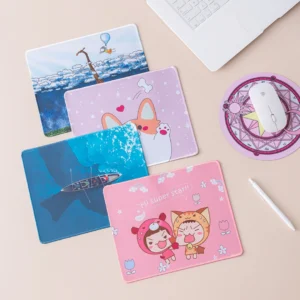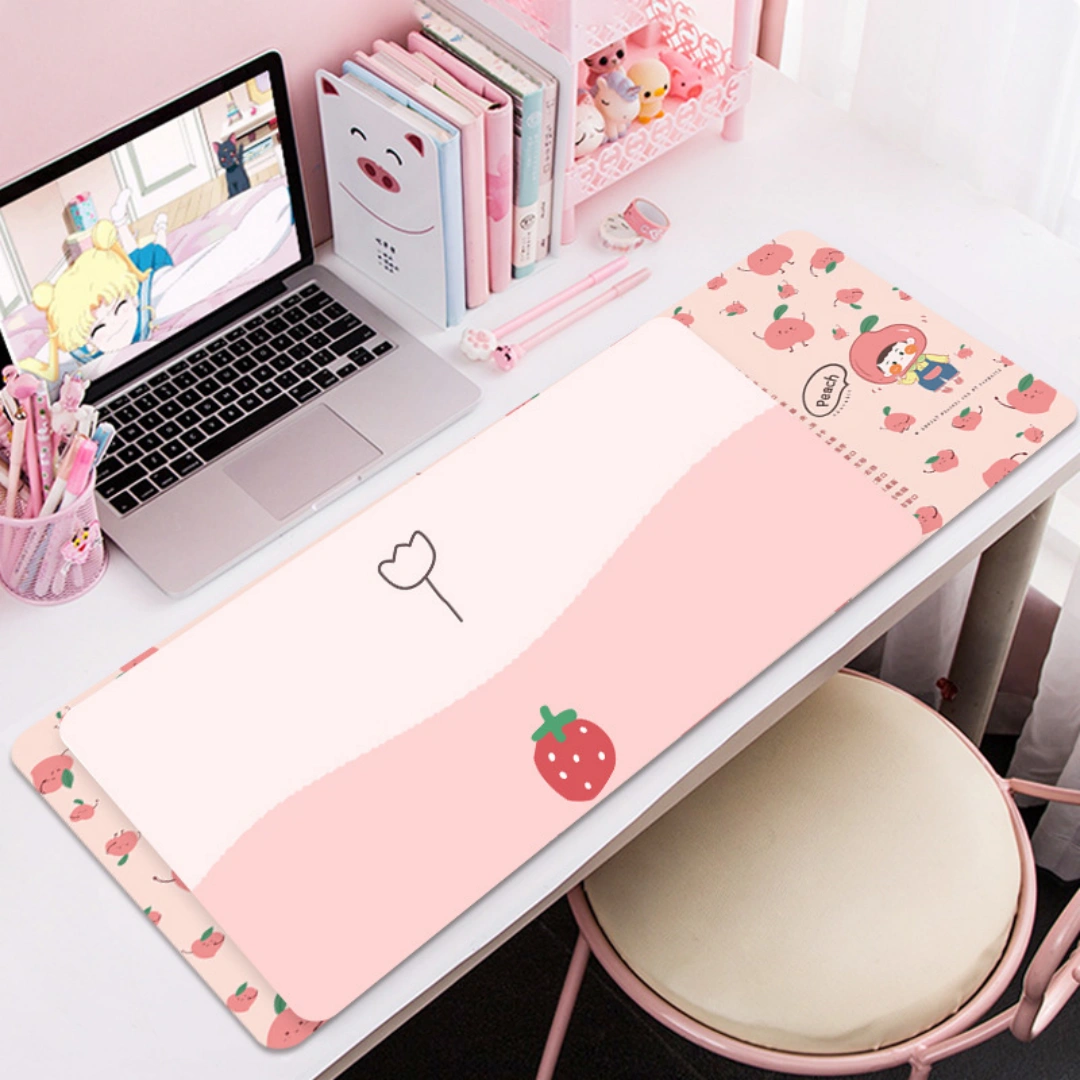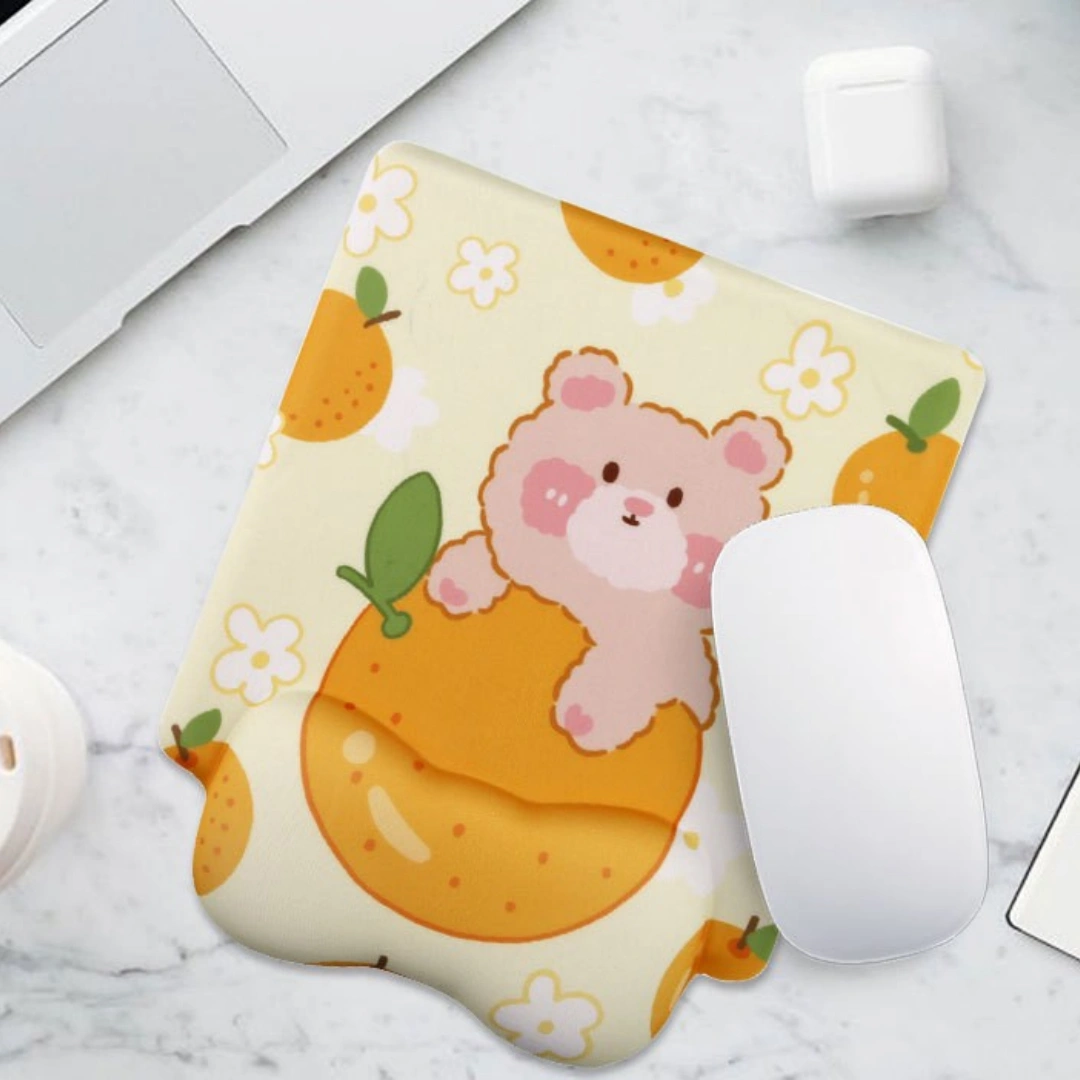
With the rapid development of office supplies and personalized gift market, the mouse pad as a high-frequency use of office accessories, has not only functional products, it is an important carrier for brand publicity, corporate gifts, and personalized customization. For customized enterprises, improving the repurchase rate is the key to achieve stable income and long-term brand development.
The repurchase rate is not only related to sales, but also directly affects customer stickiness and corporate reputation. This paper will provide a complete set of schemes to improve the repurchase rate of customized mouse pad for enterprises from the aspects of customer demand analysis, product strategy, Service Strategy, marketing strategy, data analysis and case practice.
Understanding customer needs: the basis of repurchase
1.1 high repurchase rates result from a sense of customer value
Customer repurchasing is not only the recognition of product function, but also the recognition of experience value, personalized value and brand value. For customized mouse pads, the core values that customers focus on include:
Practicality: comfortable touch, durable material, and the right size for a long-term user experience
Individuation: high degree of design freedom, can be customized according to corporate brand, personal preferences, the theme of the event
Brand identity: the sense of belonging and identity brought about by corporate Logo, brand color, and personalized customization of employees
If the customer is satisfied with the value, it is more likely to form a second purchase or even a long-term partnership.
1.2 customer repurchase behavior and psychology
Repurchase customers typically have the following psychological characteristics:
Trust: Confidence in custom quality, color fidelity, and lead time
Satisfaction: the product experience is in line with expectations
Identity: the brand image, service experience and corporate culture or personal taste in line
Therefore, the first step to improve the repurchase rate is to understand the psychological needs of customers, and through product design and service system to meet these needs.
II. Product Strategy: the core driving force for increasing the repurchase rate
Product quality and design are fundamental factors for customer repurchase. For custom mouse pads, the following can be optimized:
2.1 material and process upgrades
Different materials and processes directly affect the customer’s experience and visual experience:
| Material type | Features | Recommended use | Suitable for processing |
| Muslin face | Soft Touch, good effect of gradient design | Advertising promotion, personalized gifts | Thermal transfer, digital printing |
| Rough face | Textured and slightly less saturated | Mouse pad for general use in office | Thermal transfer, digital printing |
| Pu/leather | High-grade texture, wear-resistant and easy to clean | Business gifts, employee benefits | Screen printing, embossing/hot embossing |
| Silicone/rubber | Non-slip durable and easy to clean | Office and gaming mouse pads | Heat transfer and screen printing |
Strategy suggestion: by providing material and process upgrade options, customers can experience differentiated value at the first purchase, improve satisfaction, and thus increase repurchase intention.
2.2 personalized design
The biggest selling point of custom mouse pads is personalization:
Corporate logos and colors: enhance the brand image and internal identity
Employee name or departmental customization: increases employee belonging
Holiday or theme customization: such as anniversary, New Year gifts, theme activities
Personalized design not only allows customers to feel“Exclusive”, but also easy to form bulk repurchase. For example, companies in the annual meeting or internal activities, will continue to buy the mouse pad as a gift.
2.3 product mix strategy
Pack the mouse pad with other office supplies or accessories to increase value added and willingness to buy:
Mouse Pad + mouse
Mouse Pad + office laptop
Mouse Pad + corporate gift set
Combined sales not only increase customer choice, but also stimulate repurchase and add-on. Through the packaging strategy, companies can increase the average order value, while increasing customers’ long-term dependence on the brand.
Three, Service Strategy: Let the customer form stickiness
Service experience is a key factor in customer repurchase. High-quality service can not only improve customer satisfaction, but also enhance customer loyalty.
3.1 rapid response and customized process optimization
Clear design validation process: reduce customer waiting and rework time
Provide professional design support: quickly generate mockups to ensure accurate color and size
Clear lead times and logistics tracking: give customers confidence in their time control
Rapid Response Service experience can significantly improve customer satisfaction, thereby increasing the probability of repurchase.
3.2 proofing and quality assurance
Proofing confirmation: customers can confirm the color, material and size in advance to avoid batch production deviation
Quality assurance: provide wear-resistant, waterproof, anti-fading and other quality specifications
After-sales service: if the size does not match, the workmanship flaw provides the replacement or the replenishment
Proofing and quality assurance can reduce the risk of customer purchase, enhance customer trust in the brand, thereby increasing the repurchase rate.
3.3 CRM
Through a CRM system:
Keep track of customer purchase history, design preferences, and material choices
Regularly push new products, holiday gifts and promotional activities
Offer discounts or tailor-made offers to existing customers
CRM can help customers feel valued and motivated to buy back. At the same time, through data analysis, it can carry out precise marketing to high-value customers and improve the repurchase rate.
Marketing strategy: the external drive to stimulate repurchase
Marketing strategies can stimulate customers to buy again through temporal, social, and personalized means.
4.1 promotion of festivals and events
Corporate anniversaries and holiday gift customization
Time-limited discounts or giveaways
Full offer of spare parts or material upgrade
Through the activities to stimulate customers to have two or more purchase behavior, improve the repurchase rate.
4.2 social and word-of-mouth marketing
Mousepad custom effects photo sharing to enhance social identity
Corporate customers recommend incentive programs to encourage old customers to bring in new ones
Case presentation and Customer Evaluation Open, improve the trust of new customers
Word-of-mouth and social communication can form customer group effect and enhance the possibility of repurchase.
4.3 personalized marketing
Push matching products or upgrade materials based on the customer’s purchase history
Offer special offers or customized packages
Send samples of new products to high value customers regularly
Through personalized recommendation, let customers feel the“Exclusive care”, thus increasing the possibility of repurchase.
Data analysis and repurchase strategy
5.1 data monitoring
Companies can monitor repurchases using:
Customer Repeat Purchase Rate
Customer Lifetime Value (CLV)
Average Order Value (Aov)
Customer Churn and retention rate
Through data analysis, enterprises can identify high-value customers, optimize product and service strategies, and improve the repurchase rate.
5.2 precise customer segmentation
High-value customers: provide customized upgrades, exclusive offers and VIP services
Potential repurchase customers: push new product recommendations and holiday event information
Low active customers: through discounts, gifts to stimulate repurchase
Through hierarchical management, to achieve differentiated marketing, improve the efficiency of repurchase.
Vi. Actual case analysis
Case One: mass customization of corporate gifts
Background: an enterprise annually purchases mouse pads as annual gifts for employees
Practice: provide material upgrade, Logo spot color printing, employee name customization
Results: the repurchase rate reached 90% for three consecutive years, customer satisfaction was high, and the internal identity of employees was enhanced
Case 2: Office peripheral combination strategy
Background: a custom manufacturer offers a mouse pad + mouse + coaster set
How to do it: the set is available at discounted prices and limited to holidays
Results: after the customer bought the set, the follow-up purchase rate was 30% higher than the single product, forming a long-term order
Case 3: proofing and service improvement repurchase
Background: customers have high requirements for color, and they worry about color difference when buying for the first time
Practice: provide free proofing confirmation, clear delivery time
Results: the first customer purchase experience is good, the subsequent batch re-purchase many times, forming a stable relationship of cooperation
Summary and suggestions
7.1 core conclusions
Product strategy: enhance the material and process, enhance the personalization and customization, provide the combination of sales
Service Strategy: optimize the customization process, ensure proofing and quality assurance, establish good customer relationship management
Marketing strategy: holiday events, social word-of-mouth and personalized marketing work together to stimulate repurchase
Data Analysis: through customer stratification and repurchase data monitoring, precision marketing and strategic adjustment
7.2 customer repurchase enhancement advice
Know the color, material and workmanship standards
Offer personalized design and a variety of combos
Ensure high quality service for proofing and delivery
Establish a complete CRM system for customer layer management
Promote holiday, Limited and social marketing to increase customer retention
Through the above strategies, the repurchase rate of customized mouse pad can be significantly improved, and the long-term stable sales growth and brand value improvement of the enterprise can be realized.